WAVE Aconcagua (2025-2028) is the first project under the WAVE Partnership.
WAVE Aconcagua is the first landscape initiative developed under the WAVE Partnership and is currently being implemented through 2028.
The initiative builds on work that began in 2023 through the RVO Partners for Water programme, with support from Nature’s Pride, the Government of the Netherlands, GreenTicket and NewForesight.
Today, the Partnership brings together supply chain partners including Nature’s Pride, Salling Group, Dole Food Company, Westfalia Fruit and EDEKA, alongside the producer-led Aconcagua Network and the Government of the Netherlands. NewForesight coordinates the Partnership as its secretariat.
Nature's Pride conducted multiple visits to the Aconcagua Valley to assess interest and align stakeholders around collective action. This was complemented by consultations with, and presentations to, Chilean and international authorities, industry organizations, growers, buyers, and other stakeholders.

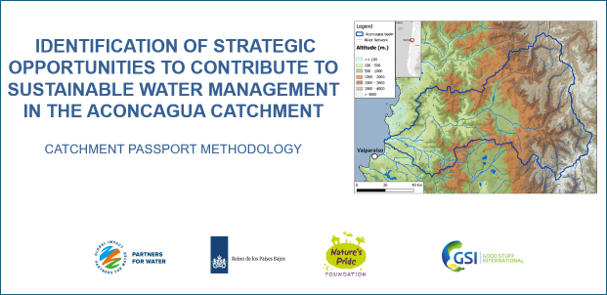
Nature's Pride Foundation and the Netherlands Government financed a technical baseline assessment of the Aconcagua catchment. The assessment was carried out by experts at Good Stuff International (GSI), and shared with all relevant stakeholders. Nature's Pride presented the case for collective action in Aconcagua to Chilean and European interested parties during a webinar of the Netherlands Water Partnership and at the Waterproof Conference in The Hague.

The Aconcagua Network was established to create a stronger collective voice for growers in the valley and provide a practical platform for collaboration around shared sustainability challenges. Building on early cooperation between local growers, Nature’s Pride, the Government of the Netherland and GreenTicket, the Network created a trusted space to exchange knowledge, better understand water-related risks and explore solutions that are difficult for individual farms to address alone.

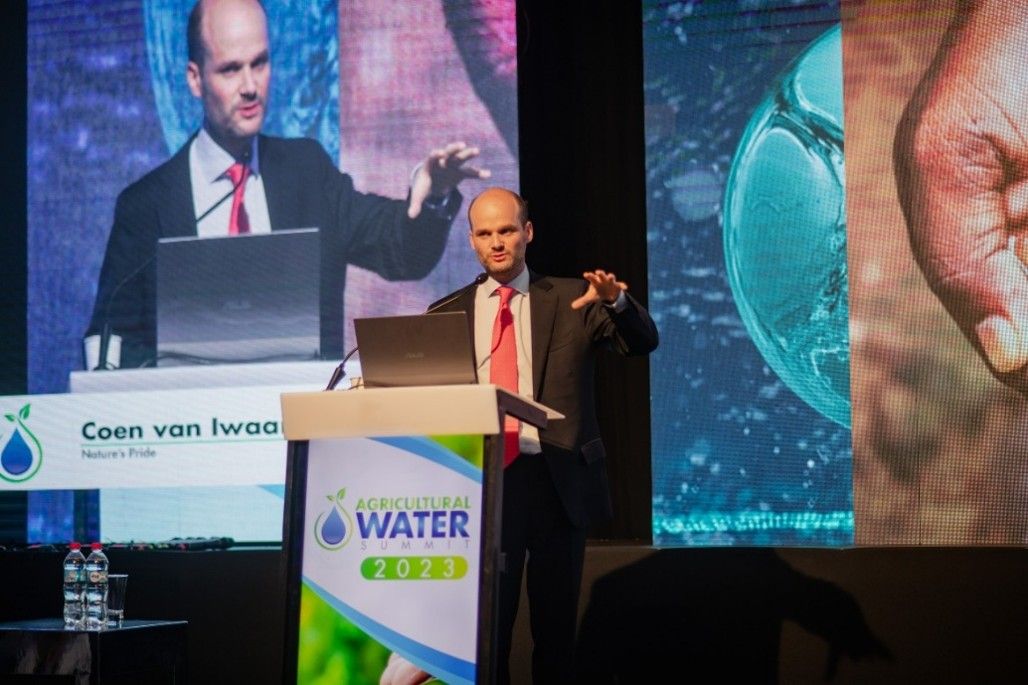
Greenticket, the Netherlands government, and Nature's Pride developed the first strategic plans for collective action and presented them to Chilean ministries. Nature's Pride also presented the case for international value chain collaboration to improve water management in agri-trade at the United Nations in New York (U.S.A.), explicitly referencing work on collective action in Chile and Peru. In Chile, Greenticket, the Netherlands Embassy and Nature's Pride further strengthened relationships with authorities and growers. Nature's Pride also presented its work on collective action to the Chilean agro-export sector during the Agricultural Water Summit in Santiago.

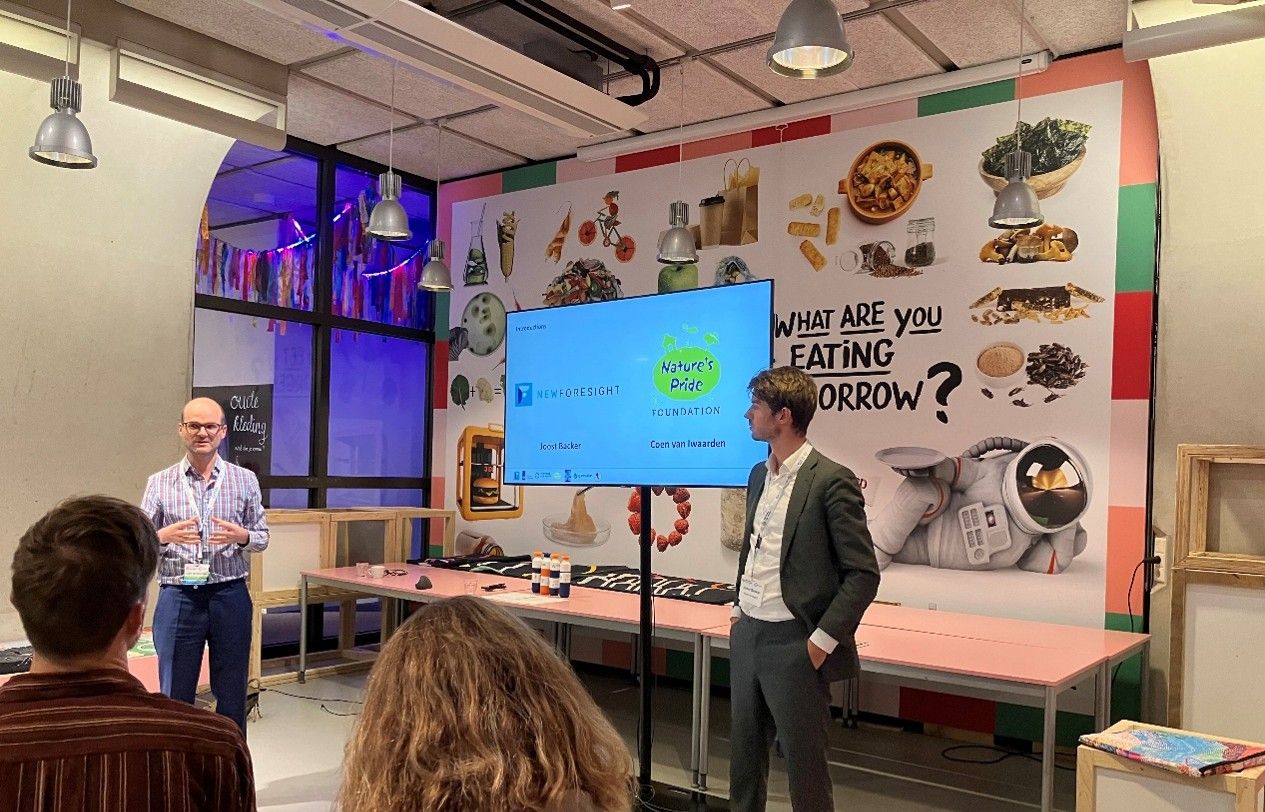
The Nature's Pride Foundation and the Netherlands government engaged New Foresight as international advisor to help coordinate interactions between local and international stakeholders. The contract with Greenticket was also renewed to strengthen the Aconcagua Network in Chile and to develop a documentary series (available under Resources). New Foresight and Nature's Pride Foundation presented the collective action in the Aconcagua Valley at a conference about water and biodiversity in The Hague.

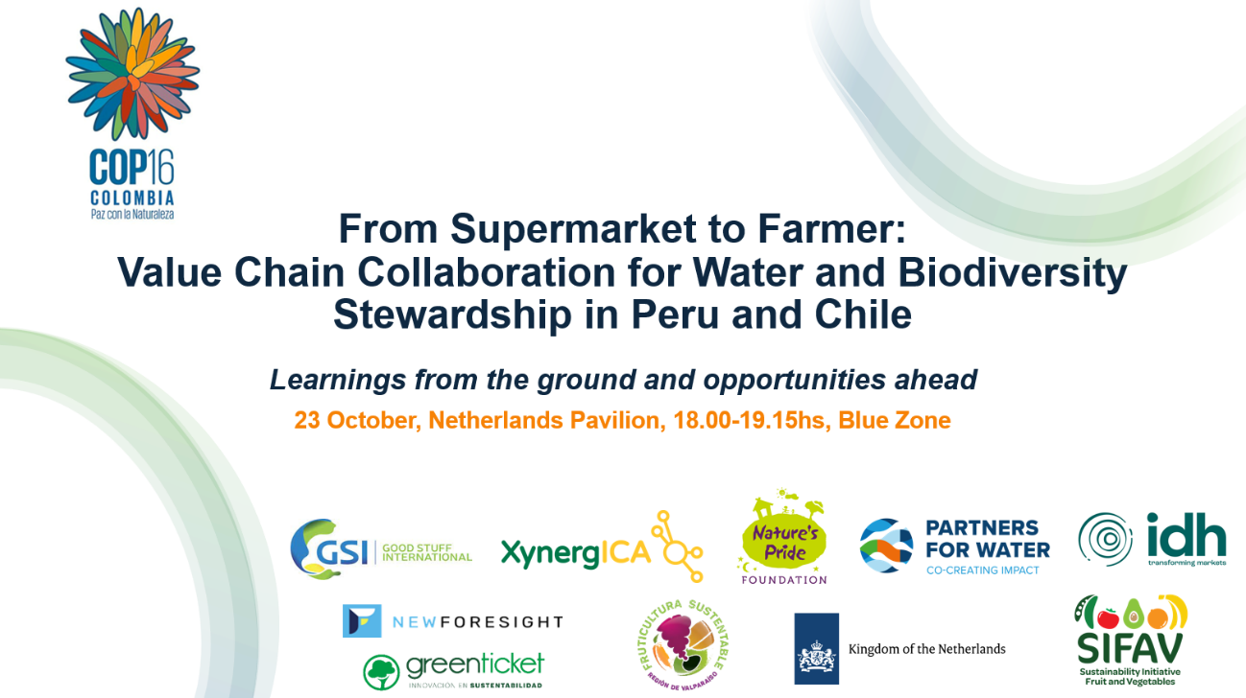
The Aconcagua initiative expanded its engagement with international buyers and moved towards a more structured collective-action model. The initiative also gained international exposure through Nature’s Pride’s participation and presentation at COP16 in Colombia, helping connect the work in Aconcagua to wider discussions on water and biodiversity.
This work helped lay the foundation for the formal launch of the WAVE Aconcagua Partnership early in 2025. Salling Group, Dole Food Company and Westfalia Fruit joined Nature’s Pride, the producer-led Aconcagua Network and the Government of the Netherlands as project partners, with NewForesight coordinating the Partnership. Together, the partners moved into a three-year implementation phase focused on linking farm-level action with supply-chain collaboration and engagement with public institutions.

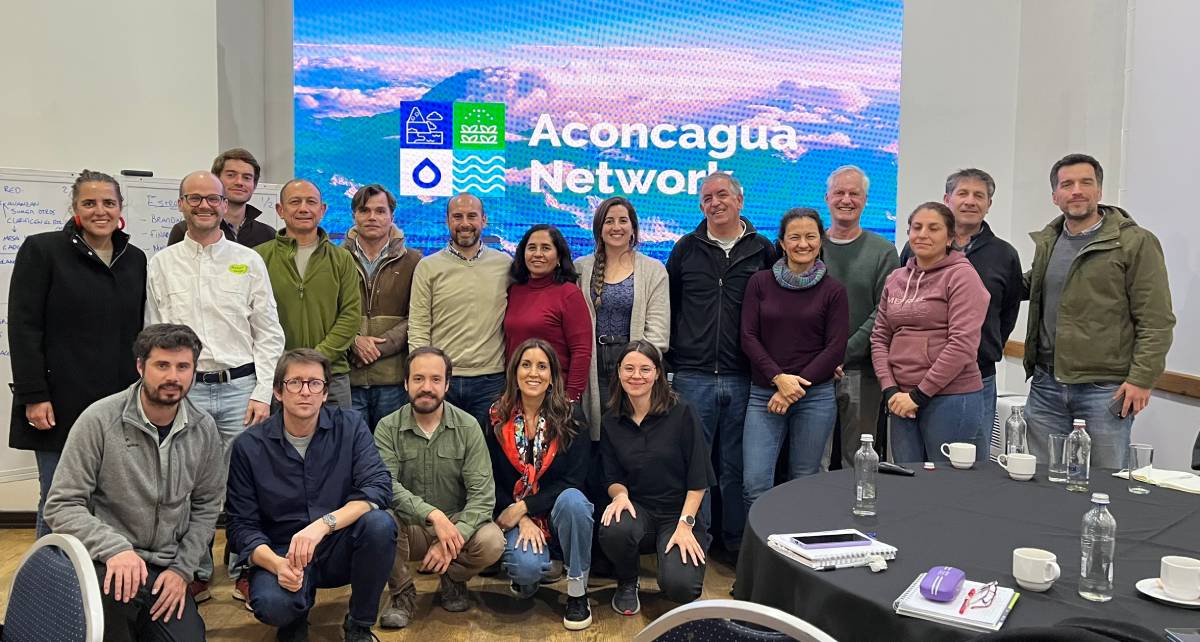
In July 2025, the WAVE Aconcagua Partnership held its first annual field visit in the Aconcagua Valley, bringing together growers, international supply chain partners, public institutions and technical partners through farm visits, workshops and stakeholder discussions. The visit marked the start of the Partnership’s three-year implementation phase and created a shared space to connect farm-level realities with wider supply-chain and water-management priorities. Participants visited farms including Urmeneta, Corporafruit and Jorge Schmidt, where they saw examples of water-efficiency measures, reforestation and biodiversity conservation, while discussions with actors including DGA, the Ministry of Environment, CORFO and ProChile helped connect the Partnership’s work with the wider enabling environment.

June 2025: A country director in Chile was appointed to facilitate dialogue with the government and enable local ownership and long-term sustainability. Establishment of governance structure such as the Steering Committee of the WAVE Partnership, a Board of Directors of the Aconcagua Network (farm level) and technical Working Groups for each focus area tasked to support the advancement of the implementation of the strategy.
The Aconcagua Partnership is driving practical implementation of better water management and regenerative practices.
The Aconcagua Network now brings together 15 growers managing approximately 5,000 hectares of cultivated land, with significant areas across their farms dedicated to conservation.
Technical foundations for farm-level transition were put in place, including a Regenerative Agriculture Guide and monitoring framework, alongside continued water-footprint assessments.
These tools are intended to inform tailored transition plans for participating farms and support more systematic adoption and monitoring of regenerative agriculture and water-management practices.
The Partnership’s annual field visit in July brought growers, supply chain partners, public institutions and technical experts together to review progress and agree priorities for the next phase. Engagement with wider water governance also continued, helping connect experience from farms with catchment-level discussions and decision-making.